.jpg)
What a footballer eats: carbohydrates, pre-match fueling and a typical day
8 min read
Behind every late sprint sits a plate of pasta eaten hours earlier. A footballer lives on carbs: around match day at least 6–8 g/kg carbs to refill glycogen, plus 1.6–2.2 g/kg protein for muscle repair. The pre-match meal lands 3–4 hours before kick-off and is carb-rich — pasta or rice is football's practical classic. Rules below come from the UEFA expert consensus on elite football nutrition (Collins et al., BJSM 2021).
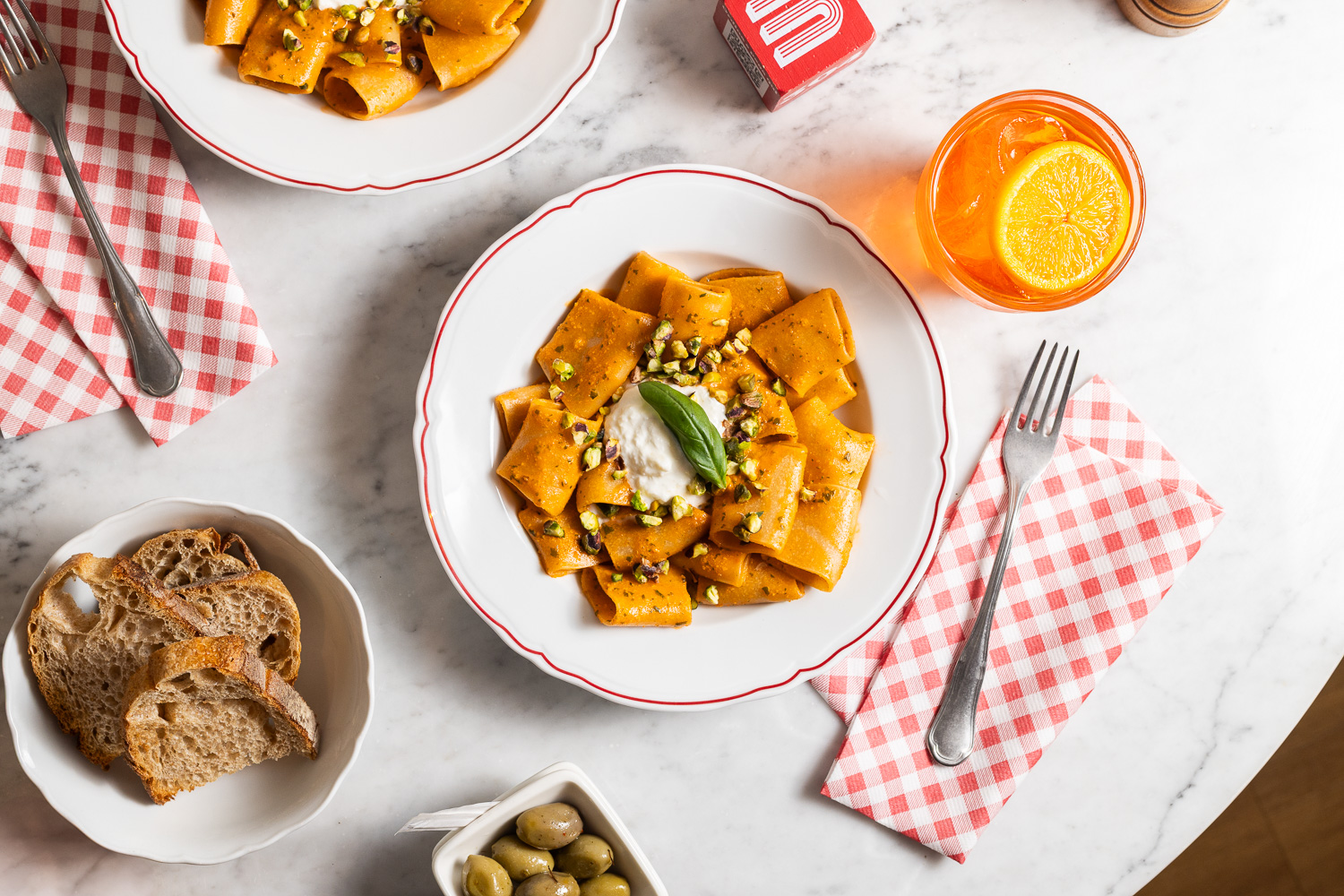
Ninety minutes of stop-start running empties the tank. The footballer's diet keeps it full.
What a footballer eats: the basics
Three pillars: plenty of carbs for energy, quality protein for recovery, and careful hydration. Pros cover 10–13 km per match, about 2.5 at high intensity (Vigh-Larsen et al., 2022). That empties muscle glycogen — refilling the tank is the heart of the footballer's diet.
How many carbohydrates does a footballer need?
The carbohydrate needs of a footballer are not fixed: they rise and fall with the schedule. On regular training days, about 3-6 g/kg per day suffice, but in the days around the match (the eve, game day, and the day after) UEFA consensus recommends at least 6-8 g/kg per day to optimize glycogen (Collins et al., 2021).
For a player weighing 75 kg, "6-8 g/kg" means 450-600 grams of carbohydrates per day around the match. You don't reach those numbers with salad: you need pasta, rice, bread, cereals. Carbohydrates, for a footballer, are the working tool.
| Timing | Carbohydrates |
|---|---|
| Light training days | 3-6 g/kg per day |
| Eve, match day, recovery | 6-8 g/kg per day |
| During the match | 30-60 g per hour |
For a player weighing 75 kg, "6-8 g/kg" means 450-600 grams of carbohydrates per day around the match. You don't reach those numbers with salad: you need pasta, rice, bread, cereals. Carbohydrates, for a footballer, are the working tool.
What a footballer eats before the match
Pre-match meal 3–4 hours before kick-off: carb-rich (1–3 g/kg), low fat and fibre. Pasta or rice with a simple topping is the classic answer. UEFA speaks in grams of carbs — it doesn't "prescribe" pasta, but pasta is the ideal practical application. Avoid heavy fat/protein meals just before.
During and after the match: energy and recovery
| 1. During: 30–60 g carbs/hour, especially in tough or congested fixtures — liquids and small interval snacks too. |
| 2. After: when turnaround is short, aim ~1.2 g/kg carbs/hour and ~40 g protein soon after full-time (Ranchordas 2017). Across the day: 6–10 g/kg carbs plus well-spread protein. |
A footballer's typical day (game day)
Here's how a footballer's eating day could be structured on match day. It's a sample plan to be adapted to weight, match timing, and staff guidance.
| Time | What the footballer eats |
|---|---|
| Breakfast | Oats or bread with jam, fruit, yogurt, eggs |
| Pre-game lunch (3–4 hours before) | Pasta or rice, light seasoning, small protein portion |
| Pre-match snack | Fruit, rice cakes or a carbohydrate-rich bar |
| During the game | Carbohydrate drinks, 30–60 g/hour if needed |
| Post-game (immediately) | Rapid carbs + protein (sandwich with lean cold cuts, smoothie, pasta with a protein source) |
| Dinner | Balanced meal: carbohydrates, protein and vegetables |
Vegan footballers: is it possible?
Yes at a high level — with careful planning. Carbs are easy (pasta, rice, cereals, legumes); the challenge is complete plant proteins plus B12, iron and omega-3. Legumes + cereals work well; legume pasta packs carbs and protein together. Work with a professional to avoid gaps.
Vegan or not: carbs fuel who runs. At miscusi find the right pasta — ancient grains, legumes, sorghum. Menu or book a spot.
Quick answers (FAQ)
What does a footballer eat before the match?
A carb-rich, low-fat meal 3–4 hours before kick-off, with 1–3 grams of carbs per kilo of body weight. A plate of pasta or rice with a simple topping and a small protein source is the classic choice: energetic and digestible.
How many carbs should a footballer eat?
On light training days about 3–6 grams per kilo per day; around the match at least 6–8 g/kg per day to optimise glycogen stores. During the game add 30–60 grams of carbs per hour.
What shouldn't a footballer eat before playing?
Just before the match it is better to avoid high-fat, high-fibre meals and very large protein portions, because they slow digestion and feel heavy. Prefer digestible carbs and moderate portions.
How many kilometres does a footballer cover in a match?
A professional averages 10–13 kilometres per match, about 2.5 at high intensity. That effort empties muscle glycogen — which is why carbs sit at the centre of the footballer's diet.
Can a footballer be vegan?
Yes, with careful planning. Carbs and energy are easy to cover with cereals, pasta and legumes; pay attention to complete proteins and nutrients such as B12, iron and omega-3, ideally with a nutritionist's support.
Sources
| 1. Collins J. et al., UEFA expert group statement on nutrition in elite football, BJSM 2021 — bjsm.bmj.com |
| 2. Vigh-Larsen JF et al., Muscle Glycogen in Elite Soccer, Frontiers 2022 — frontiersin.org |
| 3. Ranchordas MK et al., Practical nutritional recovery strategies…, JISSN 2017 — PMC5596842 |
| 4. Kerksick CM et al., ISSN position stand: nutrient timing, JISSN 2017 — PMC5596471 |