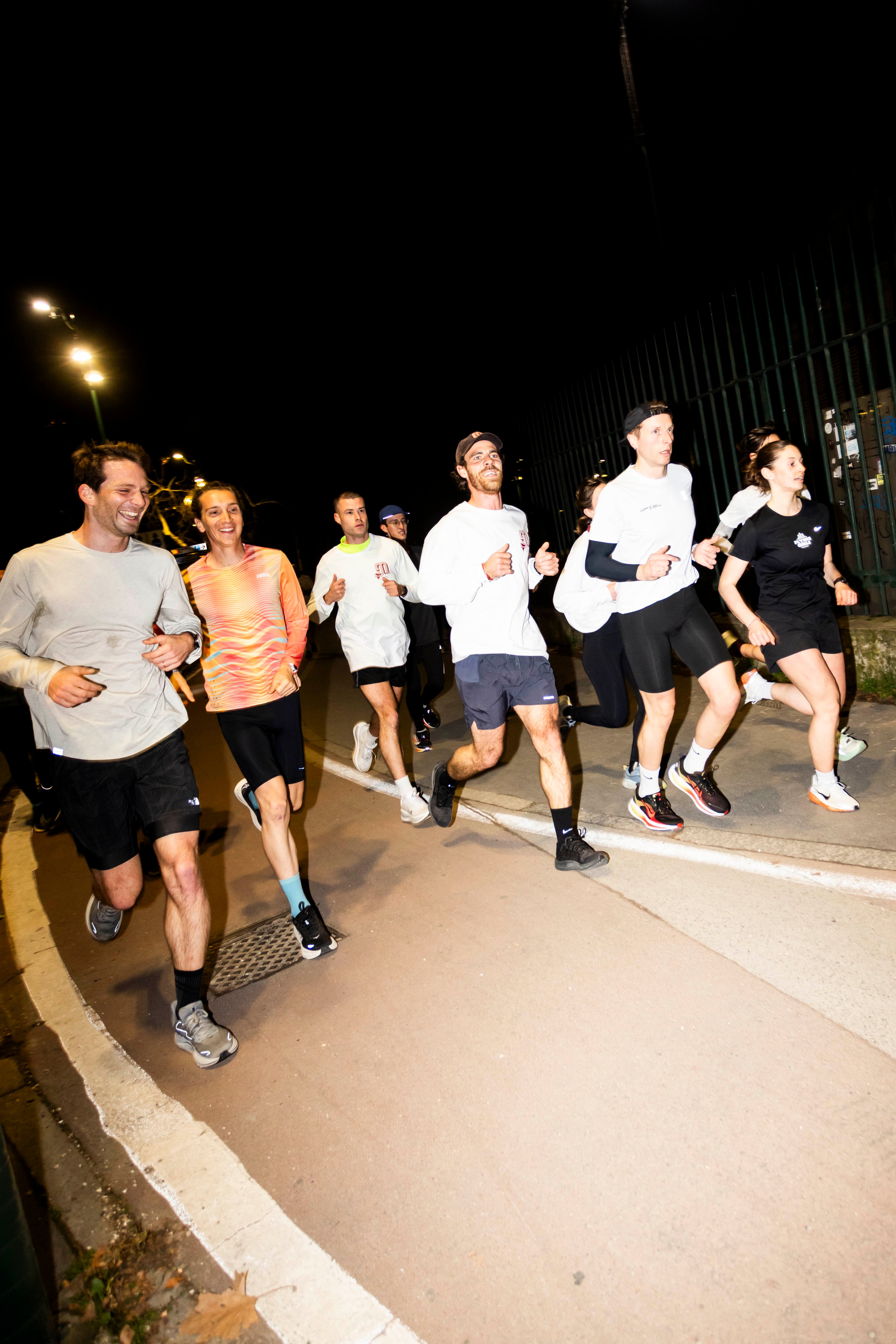
Nutrition for athletes: carbohydrates, timing and recovery
7 min read
Told you must cut carbs to perform? Think again. Real sports nutrition rests on three numbers: carbs 3–12 g/kg/day by training load, protein 1.2–2.0 g/kg, fats 20–35% of calories. Plus timing, hydration and food quality. Carbs are fuel #1 — we call it Power of Carbs.

Glycogen is the tank. Without fuel, even the best engine stays in the parking lot.
The three pillars of sports nutrition: carbohydrates, proteins and fats
A good sports nutrition is built by dosing the three macronutrients according to training load. There are no magic percentages that apply equally to everyone: international guidelines think in grams per kilogram of body weight, because that is how the body really works.
The reference framework comes from the joint position stand of the Academy of Nutrition and Dietetics, Dietitians of Canada and the American College of Sports Medicine (Thomas DT, Erdman KA, Burke LM, J Acad Nutr Diet, 2016), the Bible of sports nutrition:
| Macronutrient | Needs for athletes |
|---|---|
| Carbohydrates | 3 - 12 g/kg per day (depending on intensity and volume) |
| Proteins | 1.2 - 2.0 g/kg per day, distributed throughout the day |
| Fats | 20 - 35% of total energy (never below 20% long-term) |
Keep one thing in mind: carbohydrates and proteins are counted in grams per kilo, not in percentages. The online percentages ("55% carbohydrates, 15% proteins...") are simplifications, not official recommendations.
How many carbohydrates do you need, based on your sport?
Carbohydrates are the variable that changes the most, because they depend directly on how much energy you burn. The more you train, the more you need to fuel up. This is the ACSM 2016 Position Stand scale, the starting point of every athlete's diet:
Source: Thomas, Erdman, Burke, 2016. A concrete example: a person of 70 kg who trains one hour per day at moderate intensity needs about 350-490 grams of carbohydrates per day. A well-portioned plate of pasta, in that context, isn’t a breach of the athlete's diet: it’s exactly the fuel that fills the tank.
| Activity level | Carbohydrates per day |
|---|---|
| Light (low intensity or technique) | 3-5 g/kg |
| Moderate (about 1 hour per day) | 5-7 g/kg |
| High (endurance, 1-3 hours per day) | 6-10 g/kg |
| Very high (extreme effort, 4-5 hours per day) | 8-12 g/kg |
Source: Thomas, Erdman, Burke, 2016. A concrete example: a person of 70 kg who trains one hour per day at moderate intensity needs about 350-490 grams of carbohydrates per day. A well-portioned plate of pasta, in that context, isn’t a breach of the athlete's diet: it’s exactly the fuel that fills the tank.
Protein in sports nutrition: how much and when
Daily total matters most: 1.2–2.0 g/kg. Aim ~0.3 g/kg per meal (about 20–40 g), every 3–5 hours and after key sessions (ISSN 2017). Spread across the day. Quality sources include legumes + pasta.
Timing matters: before, during, and after training
In sports nutrition, when you eat is almost as important as what you eat. The ISSN position stand on nutrient timing (Kerksick CM et al., J Int Soc Sports Nutr, 2017) outlines three key moments.
Regarding the famous "anabolic window": recent science regards it as wider than the mythical 30 minutes. You don't need to rush to gorge yourself as soon as you finish the workout, but you also shouldn't skip the recovery meal entirely. The more time you have before activity, the more complex and abundant the carbohydrates can be, like a good plate of pasta.
| Timing | What to do |
|---|---|
| Before (1-4 h) | Carbohydrate-rich meal, 1-4 g/kg, to replenish glycogen stores |
| During (1-2.5 h) | 30-60 g of carbohydrates per hour to maintain steady energy |
| After | Carbohydrates + proteins together: the most effective recovery strategy |
Regarding the famous "anabolic window": recent science regards it as wider than the mythical 30 minutes. You don't need to rush to gorge yourself as soon as you finish the workout, but you also shouldn't skip the recovery meal entirely. The more time you have before activity, the more complex and abundant the carbohydrates can be, like a good plate of pasta.
Hydration: the forgotten macronutrient
| 1. Before: ~5–10 ml/kg in the 2–4 hours prior. |
| 2. During: keep body-weight loss within 2%. |
| 3. After: drink 125–150% of fluid lost (1.25–1.5 L per kg lost), with some sodium if you sweated a lot. |
Power of Carbs: why carbs are the fuel
Carbs sit at the centre because of glycogen — the high-intensity fuel store. When it's empty, fatigue hits. EU authorised claim: carbs help restore normal muscle function after depleting exercise, with 4 g/kg within 4–6 hours. Our ambassadors live it: Puppi, Barlaam, Brignone — they use pasta before races.
And pasta? Why ours is Superpasta
Pasta is a practical complex-carb source to refill glycogen. Our Superpasta: fresh, eggless, water + semolina from organic Kronos and stone-milled ancient grains, bronze-die extruded — 3 to 8+ g fibre and up to 16–17 g protein per serving, sugars near zero. Al dente lowers GI further.
Do you need a sports nutritionist?
For amateur training, solid principles cover most of the work. A sports nutritionist helps for competition goals, body recomposition, health conditions, or a truly personalised plan.

At miscusi, the fuel also tastes great
Carbs are the most important — and the tastiest — piece. Our Superpasta: fresh, eggless, organic Kronos and stone-milled ancient grains, bronze-die. Menu or book a spot. Eat carbs, feel good.
Quick answers (FAQ)
How much pasta can you eat on a diet?
The reference portion in Italian guidelines is 80 grams dry for a main meal, about 270 calories. The exact amount should of course be adapted to your daily needs.
Does pasta make you gain weight?
Not by itself. Large-scale studies show that, within a balanced diet, people who eat pasta do not weigh more. What matters is quantity, quality and toppings — not the carb itself.
Can you eat pasta at dinner without gaining weight?
Absolutely yes. The body does not turn carbs into fat based on the time of day: what counts is the total daily calorie balance.
Is wholewheat or regular pasta better on a diet?
Both are fine. Wholewheat has more fibre and fills you a bit more, but al dente semolina pasta remains a medium-low GI food. How you build the whole plate matters more.
How many times a week can you eat pasta on a diet?
There is no fixed limit: pasta can fit daily in a healthy diet if you manage portions and toppings well. It is a pillar of the Mediterranean diet.
Do I need a nutritionist to play sport?
For amateur sports nutrition, sound principles often suffice. A sports nutritionist/dietitian is useful for competition, specific goals, health conditions or a personalised plan.
Sources
| 1. Thomas DT, Erdman KA, Burke LM, Nutrition and Athletic Performance, J Acad Nutr Diet 2016 — pubmed |
| 2. Kerksick CM et al., ISSN position stand: nutrient timing, 2017 — jissn |
| 3. Jäger R et al., ISSN Position Stand: protein and exercise, 2017 — PMC5477153 |