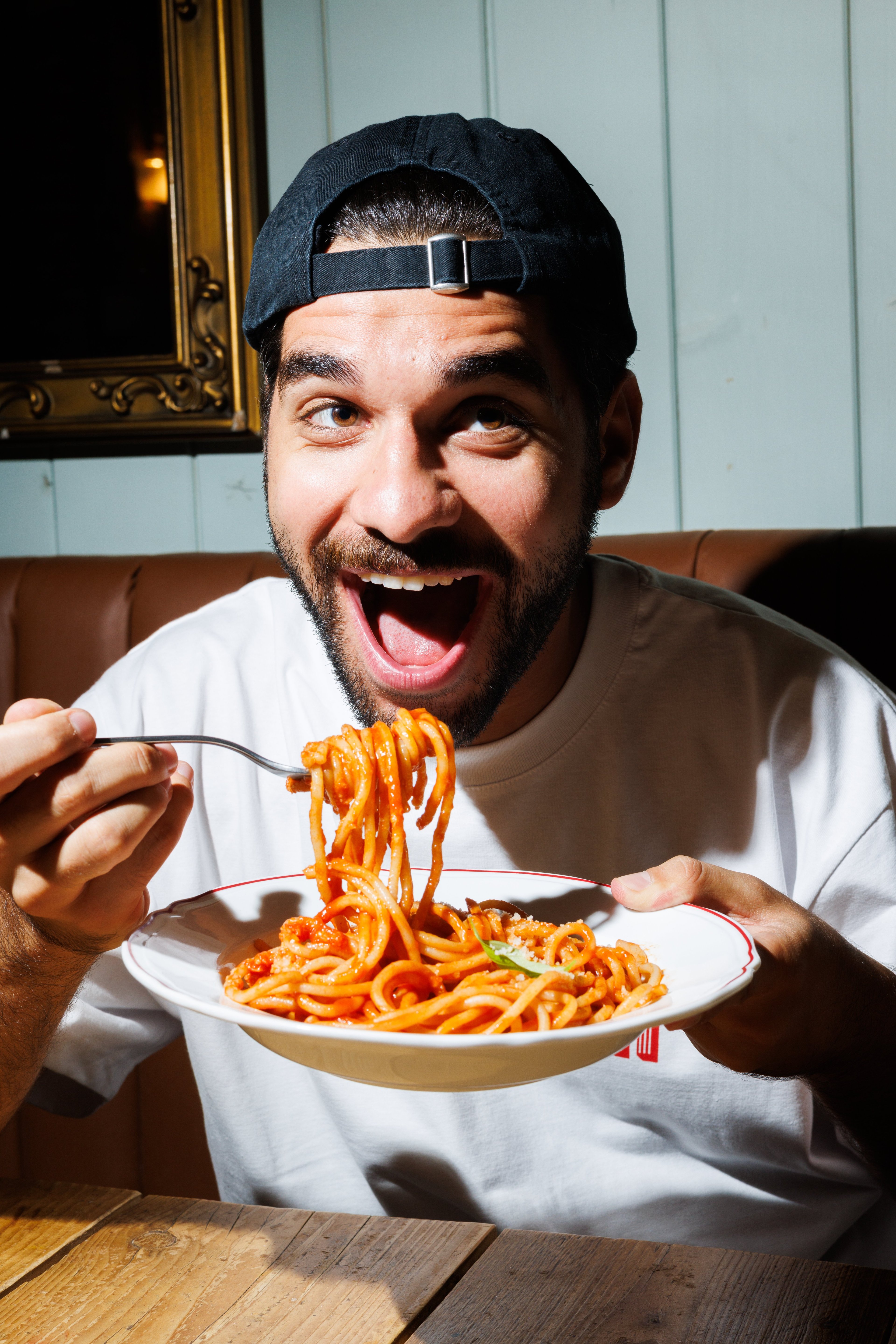
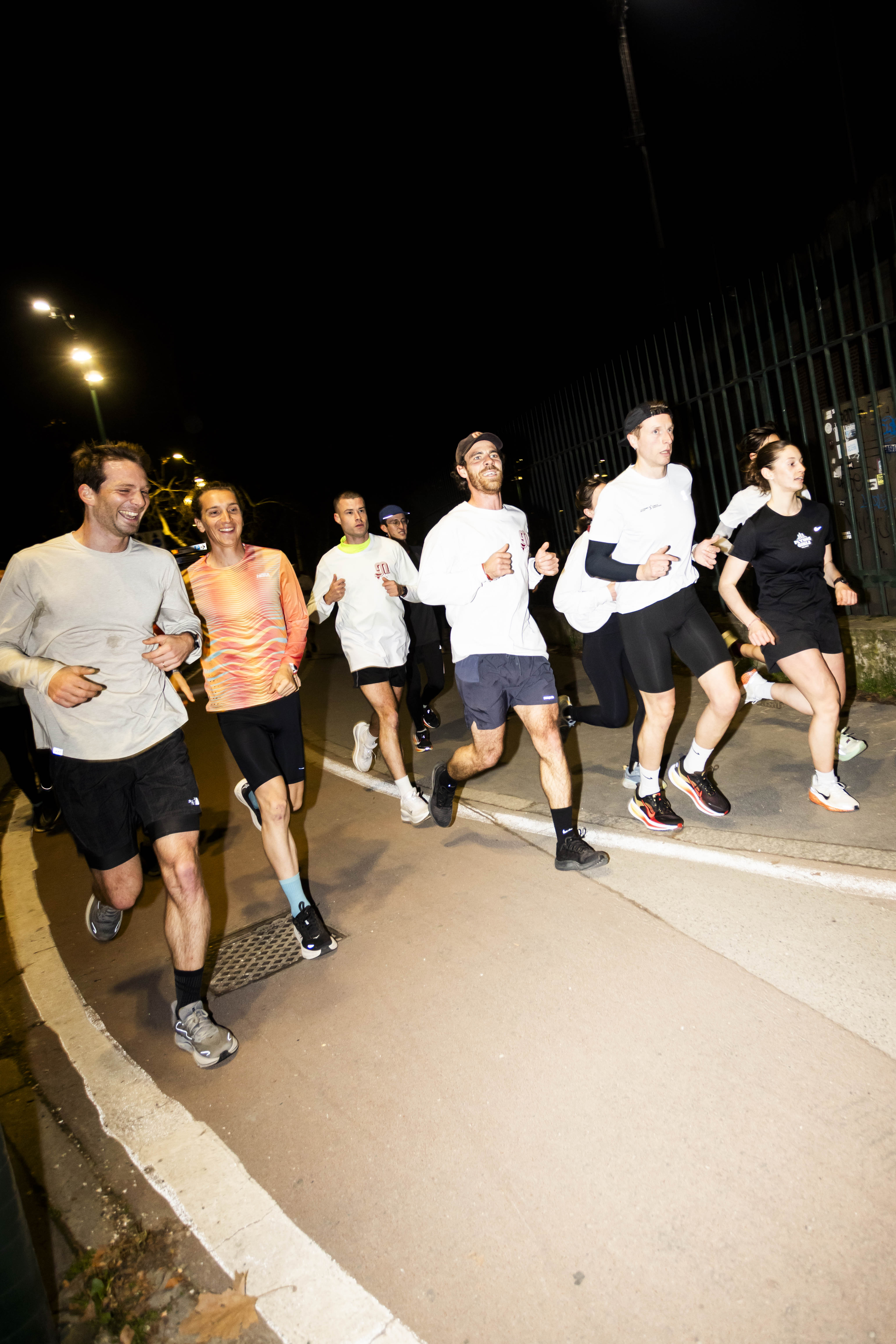
Glycogen is the tank. Before training you fill it — you don't empty it.
How much to eat before training: the numbers
| Peso corporeo | Carboidrati pre-allenamento (1-4 g/kg) |
|---|---|
| 55 kg | 55-220 g |
| 70 kg | 70-280 g |
| 85 kg | 85-340 g |
The ideal pre-workout meal: many carbs, little fat, little fibre
How far ahead: from a full meal to a bite at 30 minutes
| Anticipo | Cosa ci sta | Esempio |
|---|---|---|
| 3-4 ore | Pasto completo | Pasta con condimento leggero, una fonte proteica magra, poca verdura |
| 1-2 ore | Pasto ridotto | Un piatto di pasta piccolo, oppure pane e marmellata con uno yogurt |
| 30-60 minuti | Solo spuntino | Una banana, gallette, frutta essiccata, un frutto maturo |
Breakfast before the gym (and 7 a.m. sessions)
Is fasted training worth it?
Does a banana before training work? Yes, with a limit
Do you need protein before training?
Drinking before training: how much and when
Why pasta is the most practical pre-workout meal
At miscusi the pre-workout is a pasta plate, not a bar
Quick answers (FAQ)
How long before the gym should you eat?
One to four hours before. A full meal 3–4 hours before, a smaller meal 1–2 hours before, a light snack even 30–60 minutes before. Personal tolerance matters — test it in training, not on race day.
What to eat 30 minutes before training?
Only simple carbs in small amounts: a banana, a couple of crackers, some dried fruit. No fats, no fibre, no big portions. With a proper warm-up there's no risk of sugar crashes.
Better to train fed or fasted?
For long aerobic sessions eating first clearly helps; for short sessions the difference is small. Fasted training doesn't burn more fat over time — that depends on overall calorie balance.
What not to eat before training?
Fried food, fatty sauces and heavy dairy, high-fibre plates like whole legumes or big raw salads, and very large portions. They slow gastric emptying and raise GI risk during exercise.
What to eat for breakfast before the gym?
Easy carbs with a little protein: oats with milk and fruit, or bread with jam and yogurt. Short on time: fruit and crackers. Main job: refill liver glycogen after the overnight fast.
Are proteins before training necessary?
Useful, not mandatory. Aim for 0.25 g/kg or 20–40 g absolute — works before or after. A normal protein source in the meal is enough; no dedicated shake required.
Sources
| 1. Thomas DT et al., Nutrition and Athletic Performance (ACSM/AND/DC), 2016 — dietitians.ca |
| 2. Kerksick CM et al., ISSN position stand: nutrient timing, 2017 — PMC5596471 |
| 3. de Oliveira EP et al., Gastrointestinal Complaints During Exercise, Sports Medicine 2014 — springer |
| 4. Academy of Nutrition and Dietetics, Timing Your Pre- and Post-Workout Nutrition — eatright.org |
| 5. Aird TP et al., Fasted vs fed-state exercise, 2018 — pubmed |
| 6. Rothschild JA et al., What Should I Eat before Exercise?, Nutrients 2020 — PMC7696145 |
| 7. Jäger R et al., ISSN position stand: protein and exercise, 2017 — PMC5477153 |
| 8. CREA, Tabelle di composizione degli alimenti — alimentinutrizione.it |
| 9. SINU, LARN porzioni 2014 — sinu.it |
| 10. miscusi, analisi nutrizionale interna del menu, 2026 |