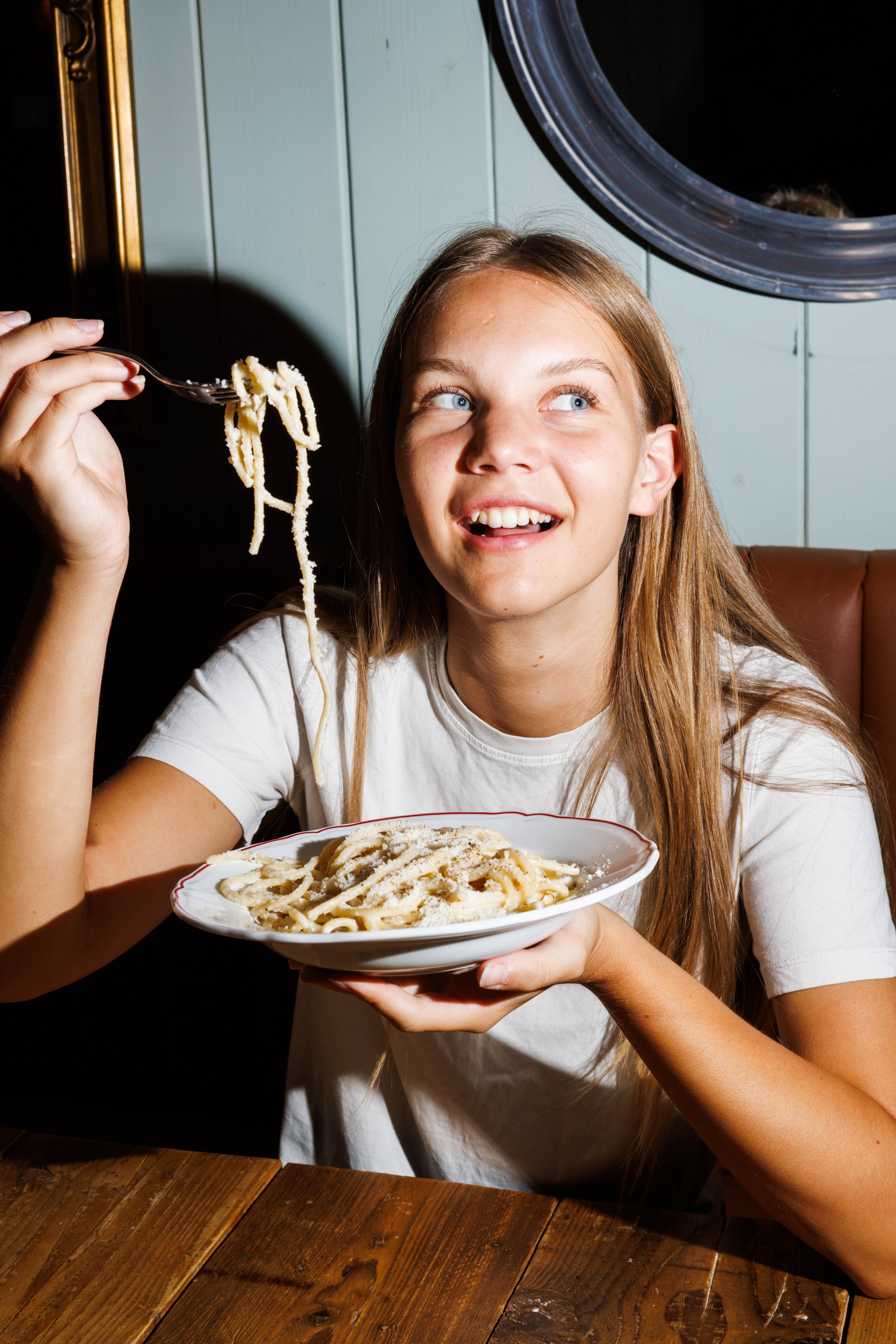
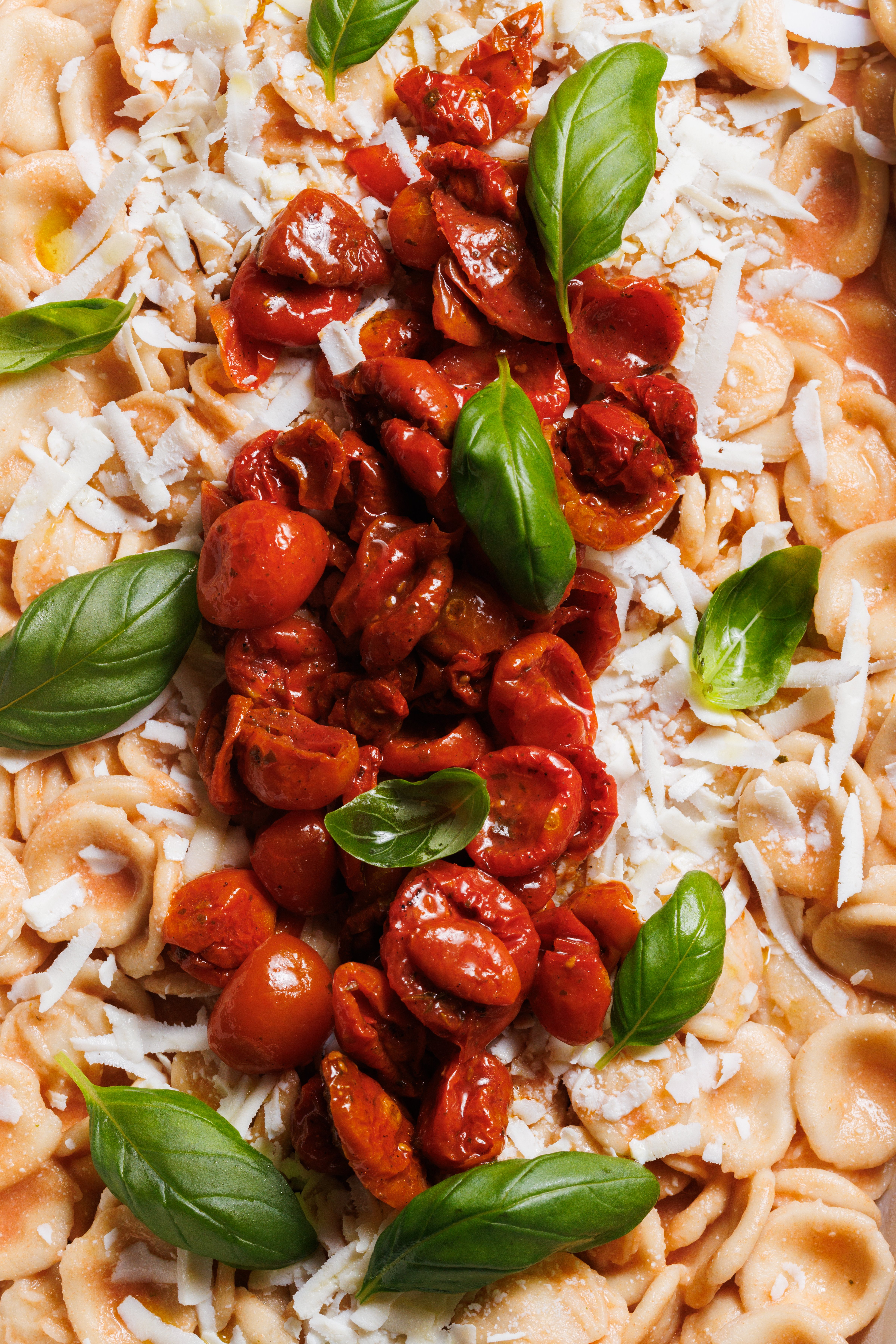
FUCK "CHEAT" MEALS. A plate of pasta isn't breaking the rules — it is the rule.
What really makes you gain: energy balance, not one plate
The Italian study of 23,000+ people
| Campione | Cosa hanno confrontato | Risultato |
|---|---|---|
| Moli-sani, 14.402 persone | consumo di pasta e peso corporeo | chi mangia più pasta pesa meno, in entrambi i sessi |
| Moli-sani | consumo di pasta, circonferenza vita e rapporto vita-fianchi | girovita e rapporto vita-fianchi più contenuti |
| INHES, 8.964 persone | consumo di pasta e peso corporeo | stesso risultato, in entrambi i sessi |
The meta-analysis: pasta inside a diet, in controlled trials
Cutting carbs doesn't work better
| Confronto | Differenza di peso a favore del low carb |
|---|---|
| Senza diabete di tipo 2, da 3 a 8 mesi | 1,07 kg |
| Senza diabete di tipo 2, da 1 a 2 anni | 0,93 kg |
| Con diabete di tipo 2, da 1 a 2 anni | 0,33 kg, cioè nessuna differenza |
Why carbs seem to make you gain
Do evening carbs make you gain weight?
Does pasta make your belly bigger?
"10 carbs that don't make you gain": the wrong question
| Alimento (100 g crudi) | Energia | Fibra |
|---|---|---|
| Pasta di semola | 341 kcal | 1,7 g |
| Pasta di semola integrale | 330 kcal | 7,1 g |
Where the mistake hides: almost always the topping
| Piatto | Energia per porzione |
|---|---|
| Pasta al sugo di pomodoro | 316 kcal |
| Pasta cacio e pepe | 334 kcal |
| Pasta al pesto | 420 kcal |
| Pasta al ragù | 554 kcal |
| Pasta all'amatriciana | 650 kcal |
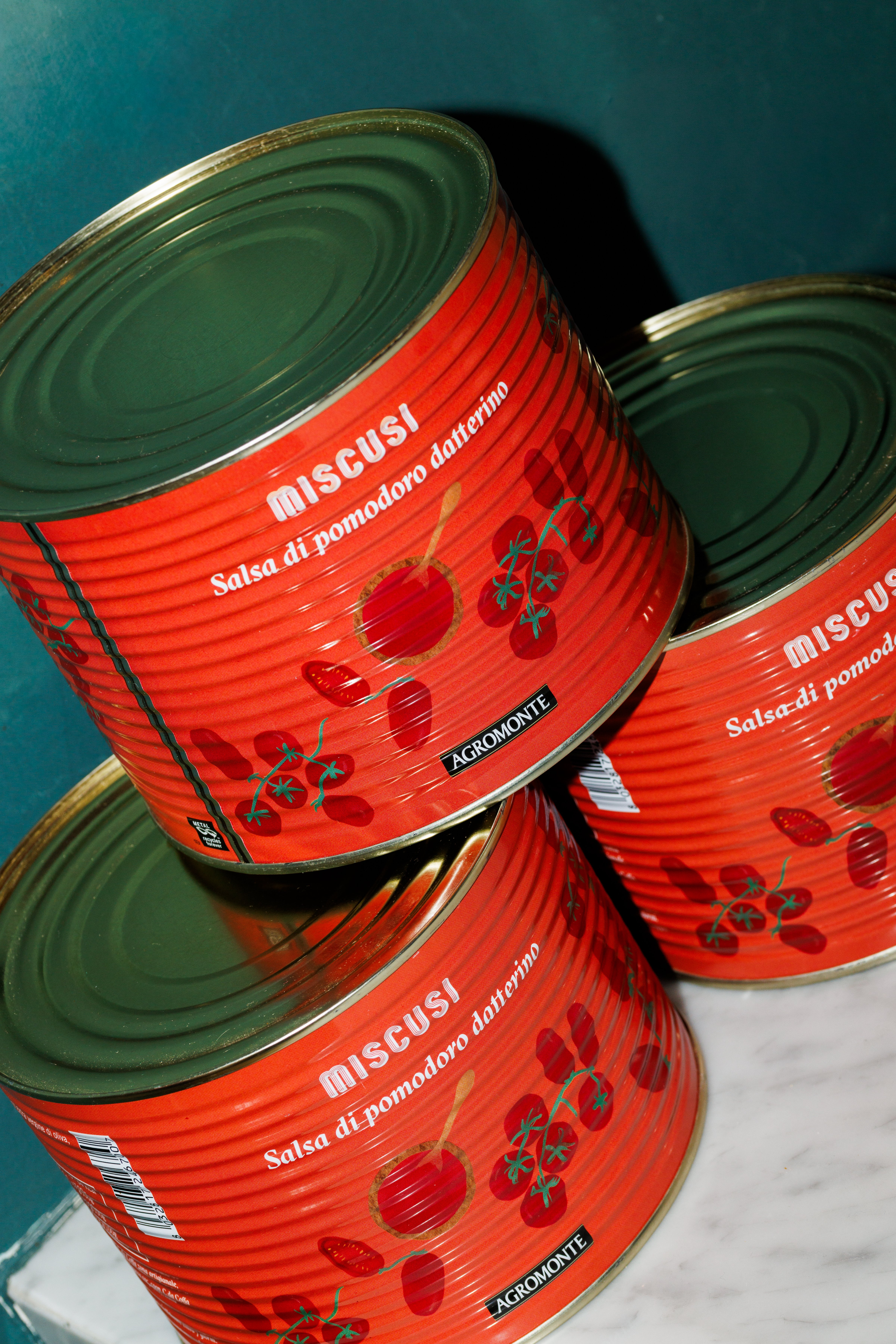
At miscusi pasta isn't a cheat — it's the meal
Quick answers (FAQ)
When does pasta make you gain weight?
When across the day you take in more calories than you burn. It's not pasta itself: portion, topping and total daily calories matter. Tomato sauce vs amatriciana, same pasta grams, roughly double the energy difference.
How much pasta can you eat a day without gaining weight?
The Italian reference portion is 80 g dry pasta. The right amount for you depends on energy needs and activity: people who train regularly need more carbs, not fewer.
Do carbohydrates make you gain weight?
Not by nature. Italian and European recommendations say 45–60% of daily calories should come from carbs. Weight gain depends on overall calorie imbalance, not a single macronutrient.
Does eating carbs in the evening make you gain weight?
No. According to Italy's ISS it isn't the time of day that matters, but total amount and calorie balance. AIRC even notes better control of blood sugar, hunger and satiety in people who keep this habit.
Does pasta make your belly bigger?
Bloating and abdominal fat are different: bloating is temporary and usually about portion, topping and eating speed. If it's systematic, investigate — abdominal bloating is among the most common coeliac symptoms, and in Italy ~400,000 people may be undiagnosed. Then you need a blood test, not DIY elimination.
Does cutting carbs make you lose weight faster?
The scale drops quickly at first, but a lot is water: each gram of glycogen holds about three of water. At one–two years, low-carb diets differ by less than a kilo from balanced-carb ones.
Sources
| 1. Pounis G et al., Association of pasta consumption with BMI and waist-to-hip ratio, Nutrition & Diabetes 2016 — nature.com |
| 2. IRCCS Neuromed, La pasta non fa ingrassare, anzi — neuromed.it |
| 3. Chiavaroli L et al., Effect of pasta in low-GI dietary patterns, BMJ Open 2018 — bmjopen |
| 4. Naude CE et al., Low-carbohydrate versus balanced-carbohydrate diets, Cochrane 2022 — cochrane |
| 5. ISS Issalute, Mangiare i carboidrati a cena fa ingrassare? — issalute |
| 6. ISS Issalute, La pasta fa sempre ingrassare… — issalute |
| 7. EUFIC, I carboidrati fanno ingrassare? — eufic.org |
| 8. AIRC, Un piatto colmo di cibo sano — airc.it |
| 9. CREA, Tabelle di composizione degli alimenti — alimentinutrizione.it |
| 10. SINU, LARN porzioni 2014 — sinu.it |
| 11. miscusi, analisi nutrizionale interna del menu, 2026 |
| 12. ISS Issalute, Celiachia — issalute |